


Why Hydrogen?
What is hydrogen?
Hydrogen is the most abundant element in the universe. However, on Earth it is not found in its free form, but rather combined with other elements, such as oxygen to form water (H2O), carbon to form hydrocarbons, or other elements to form countless different compounds.
Hydrogen is a versatile and non-polluting energy carrier; in other words, it carries energy so that it can subsequently be released in a controlled manner. It can be used to generate heat and electricity.
Hydrogen plays a strategic role in the energy transition, as it enables greater penetration of renewable energy sources into the electricity mix, acting as a means of large-scale energy storage over long periods of time.
- It enables the decarbonisation of transport, household energy use and industry.
- It can be used as a raw material for the production of different fuels.
- It enables the efficient distribution of energy between sectors and regions.
Renewable hydrogen production technologies
1. Alkaline Water Electrolysis (AWE)
The benchmark technology for heavy industry. It uses an alkaline aqueous solution (usually KOH) and a gas-separating diaphragm to split water molecules.
2. Proton Exchange Membrane Electrolysis (PEM)
Technology based on a solid polymer membrane used as the electrolyte. Its design enables high current density and superior dynamic response, making it an ideal solution for integration with highly intermittent renewable energy sources.
3. Anion Exchange Membrane Electrolysis (AEM)
Represents the cutting edge of efficiency. It combines the dynamic response and solid membrane structure (similar to PEM) with the competitive advantage of not requiring noble metals in its components, significantly reducing manufacturing costs.
4. Solid Oxide Electrolysis (SOEC)
This technology operates at high temperatures (steam electrolysis). Its key advantage lies in thermal integration: it uses waste heat from industrial processes to significantly improve the overall electrical efficiency of the system.Renewable hydrogen is produced through water electrolysis, an electrochemical process that uses electricity from 100% renewable sources to split water molecules (H₂) into hydrogen and oxygen. At ARIEMA, we have been developing our own alkaline electrolysis technology for more than 20 years.
What makes hydrogen renewable? RFNBO Certification
To access subsidies, receive regulatory support or meet the targets of Directive (EU) 2023/2413 (RED III) —which requires 42.5% of the hydrogen consumed in industry to be renewable by 2030—, producing hydrogen is not enough. It must be certified as an RFNBO (Renewable Fuel of Non-Biological Origin).
At ARIEMA, we help our clients navigate this transition, ensuring that their production strictly complies with the EU Delegated Regulations.
Operational requirements for electricity
(EU Delegated Regulation 2023/1184)
To guarantee the clean origin of the energy, the electrolyser must meet three technical conditions simultaneously:
The energy must come from new renewable installations commissioned no more than 36 months before the electrolyser. Under the methodology set out in Regulation (EU) 2023/1184, this requirement ensures that hydrogen production encourages a net increase in clean generation capacity within the Union, preventing the displacement of existing renewable electricity needed for other sectors.
The electrolyser's electricity consumption must coincide with the generation of the contracted renewable energy. The Regulation establishes detailed rules to verify that hydrogen is produced during the same period in which the clean electricity is generated. This hourly matching requirement, which will become mandatory from 2030, ensures that RFNBO production does not increase demand during periods of low renewable energy availability.
The electrolyser and the renewable energy plant must be located in the same bidding zone or in adjacent zones. Regulation (EU) 2023/1184 defines this methodology to ensure that there is no congestion in the electricity grid between the point of generation and the point of consumption, confirming that renewable electricity can be physically delivered to the electrolysis process without compromising the stability of the system.
The Sustainability Threshold
(EU Delegated Regulation 2023/1185)
Beyond the source of the electricity, the regulations require proof of greenhouse gas (GHG) emissions savings.
Through a comprehensive Life Cycle Assessment (LCA) —covering everything from production to fuel delivery—, it must be demonstrated that hydrogen achieves at least a 70% reduction in emissions compared with the fossil fuel comparator.
This translates into a strict limit of 28.2 g CO2eq/MJ of fuel produced. Any value above this threshold invalidates certification as renewable hydrogen.
Uses and applications of hydrogen
Storage
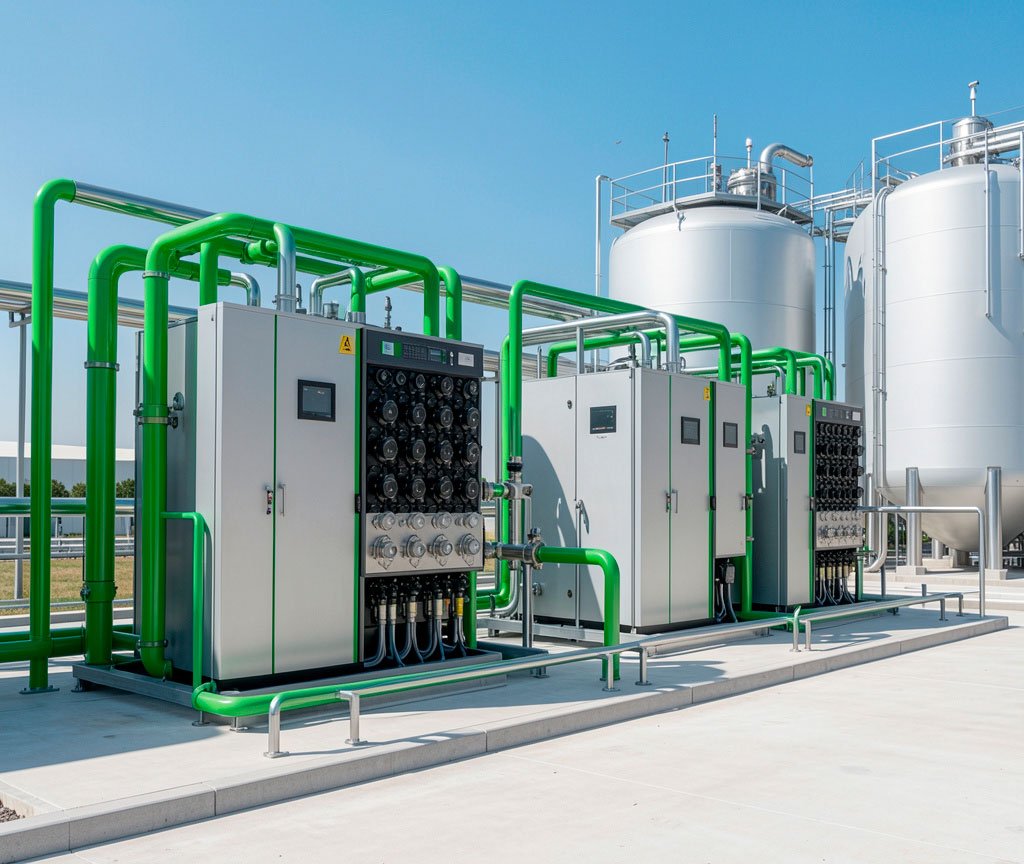
Hydrogen has a higher energy potential per unit of mass than any other conventional fuel. However, as it is the lightest element in the periodic table and has an extremely low volumetric density at room temperature, the industry's major challenge is to develop technologies that enable it to be stored safely on a large scale, helping to manage intermittent and seasonal renewable energy sources.
Hydrogen storage is currently divided into two main categories: physical storage and material-based storage.
In this method, hydrogen is stored in its pure molecular form, as a gas or liquid, without forming chemical bonds with other materials.
- As compressed gas (CGH2): This is the most common and technologically mature form. To reduce the space it occupies, hydrogen is compressed to high pressures, generally between 150 and 700 bar. Different types of tanks are used to withstand these pressures:
- Type I: Made entirely of metal (mainly steel), these tanks are cost-effective but very heavy, making them ideal for stationary applications.
- Types II, III and IV: These incorporate composite materials such as carbon fibres, glass fibres and resins over metallic or polymeric liners, significantly reducing weight while withstanding pressures of up to 700 bar, making them ideal for mobility and automotive applications.
- Type V: Still under development, these tanks are made entirely from composite materials without a metallic liner.
- As liquid hydrogen (LH2): By cooling the gas to cryogenic temperatures (approximately -253 °C), a much higher energy density can be achieved than in its gaseous state. One cubic metre of liquid hydrogen can contain up to 71 kg of hydrogen. Its main drawbacks are the high energy cost associated with liquefaction (which can consume up to 40% of the energy contained in the stored hydrogen) and the phenomenon known as boil-off, which is the gradual loss of gas through evaporation.
- Large-scale geological storage: To store large volumes over the long term, natural underground structures such as depleted gas fields or salt caverns are used.
These methods use technologies based on the physical or chemical bonding of hydrogen to other substances to facilitate its handling and transport.
- Metal Hydrides: Hydrogen reacts with certain metals or alloys (such as magnesium or titanium) to form solid compounds. This technology stands out for its high level of safety and its ability to store more hydrogen per unit of volume than liquid hydrogen itself. The process is reversible: by applying heat and reducing the pressure, the material releases the stored hydrogen.
- Liquid Organic Hydrogen Carriers (LOHCs): These are liquid organic compounds that absorb hydrogen (hydrogenation) at the point of origin and release it (dehydrogenation) at the destination. Their main advantage is that they enable large quantities of hydrogen to be stored and transported at ambient temperature and pressure, allowing existing liquid transport infrastructure (such as tanker lorries and ports) to be used.
- Ammonia and Methanol: The use of ammonia (NH3) or methanol (CH3OH) as hydrogen carriers is being extensively researched, taking advantage of the fact that these chemical compounds are widely used in industry and already have highly developed distribution networks.
- Physical Adsorption: This uses highly porous materials, such as carbon nanotubes or zeolites, where hydrogen adheres to the surface of the solid. It is a fully reversible process, although the technology still requires further development.
Transport: towards zero-emission mobility
The transport sector is responsible for a significant proportion of greenhouse gas emissions in Europe. Decarbonising this sector is both a regulatory and operational necessity for heavy industry and logistics. As of 2026, green hydrogen can be used in applications where direct battery electrification is not viable due to limitations in weight, charging time or range.
Current technological maturity allows for two complementary approaches to integrating hydrogen: Fuel Cell Electric Vehicles (FCEVs): These use a fuel cell to generate electricity on board through an electrochemical reaction. They are an optimal solution for long-distance heavy-duty transport, offering greater range and refuelling times comparable to diesel, while emitting only water vapour.
Hydrogen Internal Combustion Engines (H2-ICE): These represent a disruptive alternative. Unlike engines designed to be converted, new designs operate on 100% hydrogen, offering an easier transition for existing fleets without sacrificing the advantages of hydrogen as a clean fuel.
Regulatory drivers:
- RED III Directive: Establishes binding targets for the use of renewable energy in transport, driving the adoption of renewable fuels of non-biological origin (RFNBOs).
- AFIR (Alternative Fuels Infrastructure Regulation): This legal framework requires the deployment of hydrogen refuelling stations along the Trans-European Transport Network (TEN-T), addressing the long-standing bottleneck caused by the lack of refuelling stations.

Industry: How can hydrogen help decarbonise your sector?
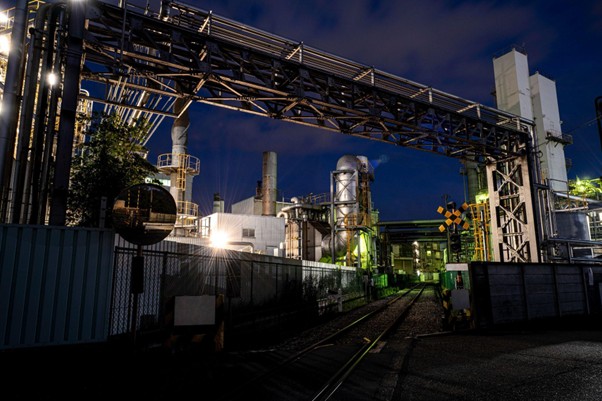
Renewable hydrogen is an alternative for heavy industrial sectors where direct electrification is not technically feasible. By replacing natural gas with green hydrogen in high-temperature processes or as a raw material, we eliminate direct CO2 emissions.
Chemicals and oil refining: Switching the source (Drop-In)
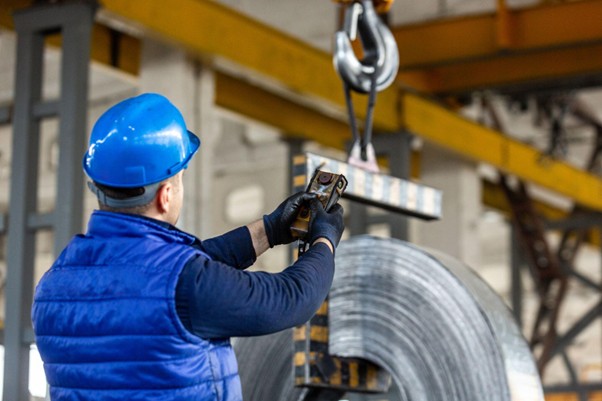
Steelmaking and Metallurgy: Coal-Free reduction
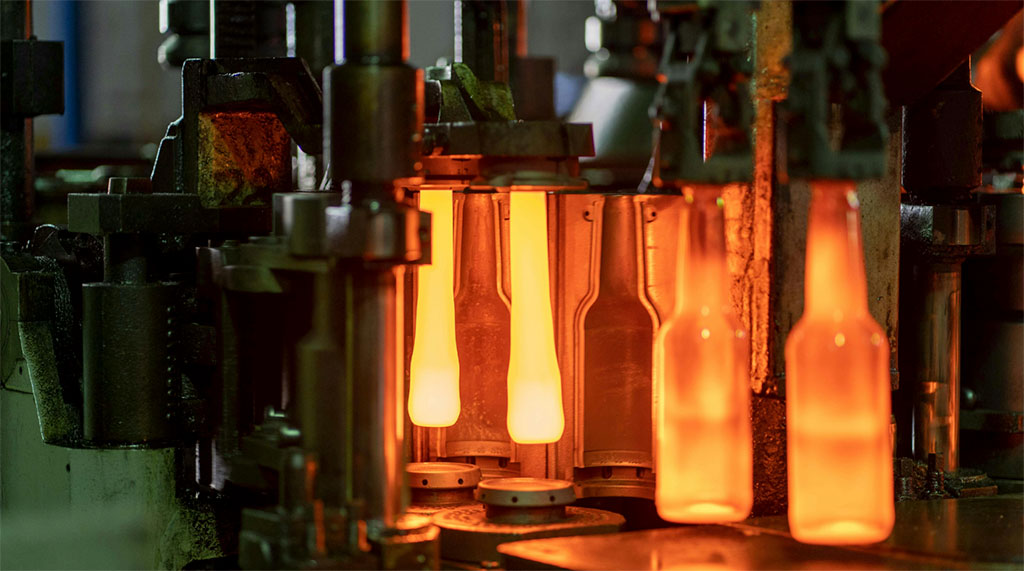
Glass: Optimising the melting process
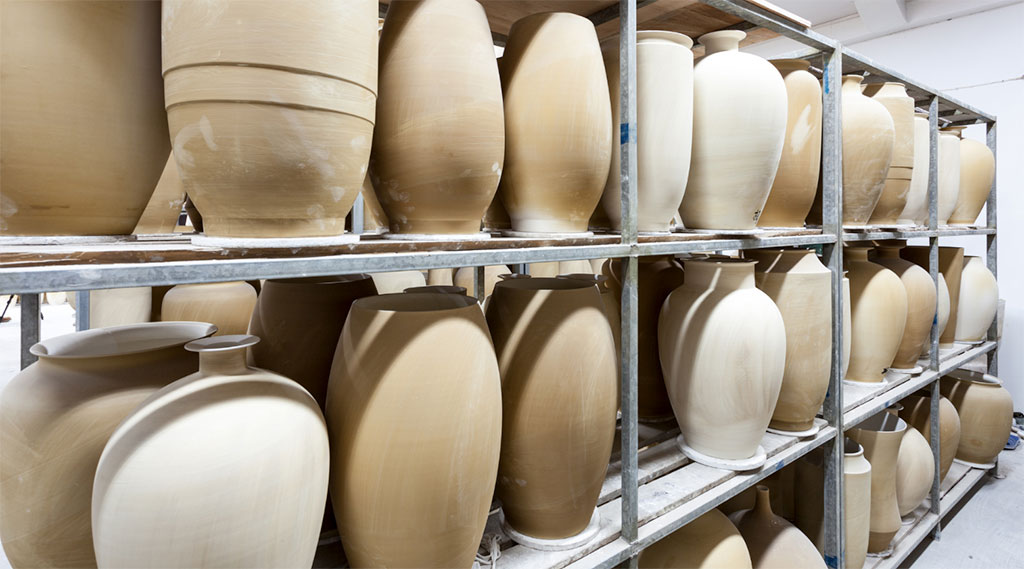
Ceramics: Precise firing control
We help you assess whether hydrogen is the optimal solution for your plant, design a tailored plan to decarbonise your operations and ensure strict compliance with current legislation.