Electrolysers to Improve the Efficiency of Renewable Energy
In view of the scientific consensus on the causes of climate change, on the one hand, and the uncontrolled growth in carbon dioxide emissions, on the other, the question of the moment is: will we reduce our use of fossil fuels in time to avoid unacceptable levels of climate disruption? However, there is another question that needs to be answered even before that: can we actually reduce it?
It is impossible to achieve this solely through the simple replacement of coal, oil and natural gas with alternative energy sources. Fossil fuels have underpinned progress since the Industrial Revolution and have made the society we know possible. This is a society accustomed to an abundance of concentrated and cheap energy (yes, cheap), and one that has traditionally placed little importance on the sustainable management of energy resources or energy efficiency: it is incredibly wasteful. No other energy source will ever be able to compete under these principles, so society will have to reinvent itself as it moves away from fossil fuels, whether voluntarily or as circumstances force it to do so. So, how?
The search for new technologies
Renewable energy must replace fossil fuels, but energy efficiency in consumption must also improve enormously (an extremely urgent factor in view of rapid population growth), while the potential of the various renewable sources must also be maximised. This requires a range of new measures and technologies, in which fuel cells and their complementary technology, electrolysers, will prove to be very valuable tools. The possibilities offered by fuel cells are numerous and varied but, essentially, they are related to the high efficiency and versatility of this technology. Since the Palaeolithic era, we have burned different materials to obtain light and heat, but we now have a cleaner and more efficient means of accessing the energy contained in chemical bonds.
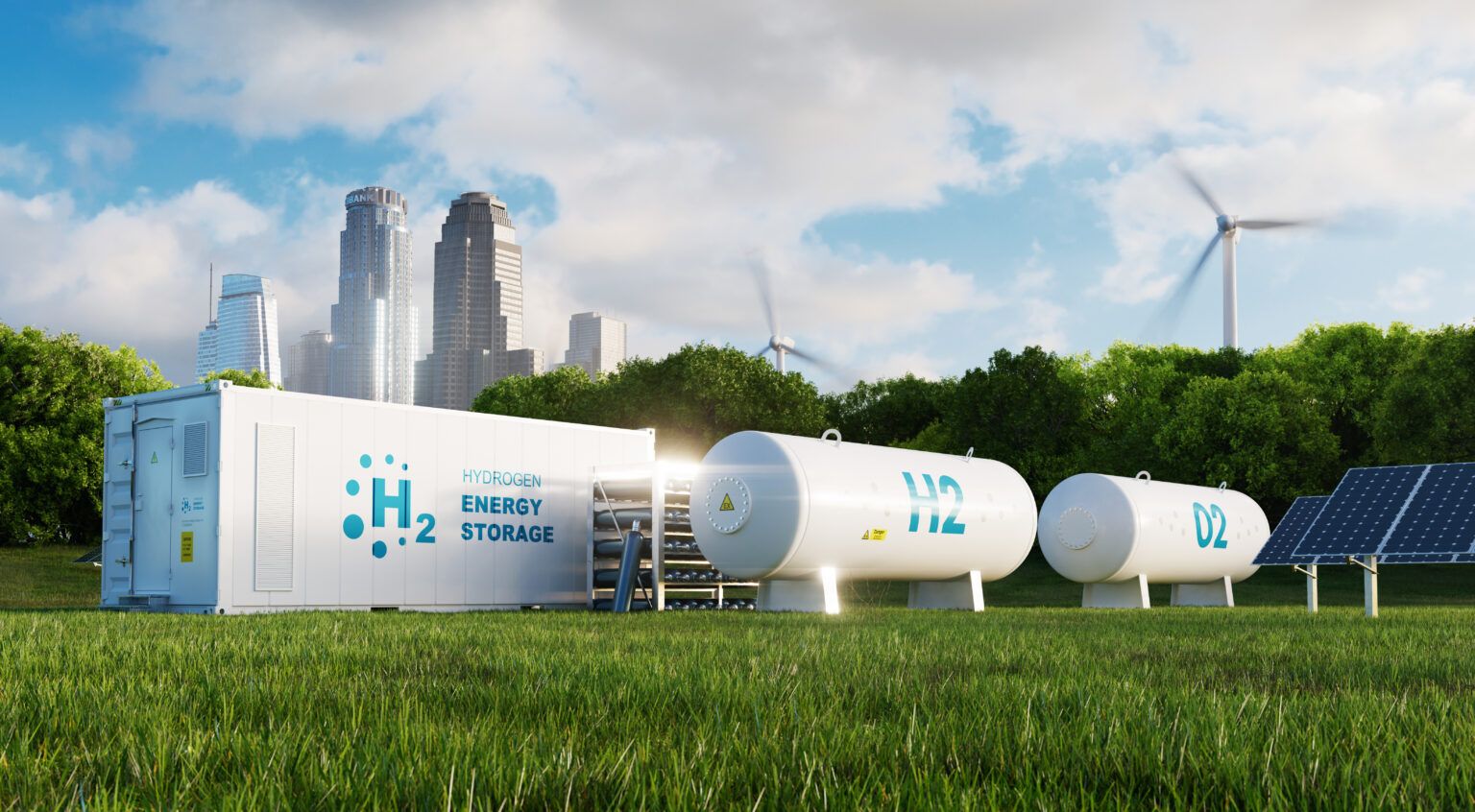
As for electrolysers, they have a crucial role to play in harnessing renewable energy efficiently: part of the problem with phasing out fossil fuels is that they constitute a vast store of energy, and there are no equivalent renewable energy reserves.
The result is the strange situation we are witnessing today, where electricity generated from valuable wind or solar energy is frequently wasted, while fossil-fuel generation capacity continues to increase. Although occasional surpluses of renewable electricity will continue to occur, we need all the renewable energy we can obtain, and the solution would involve an efficient system for storing this surplus energy.
The problem of unpredictability
As mentioned above, the problem is compounded by the variability and unpredictability of wind and solar energy. The lack of a way to store this energy means, in practice, that the use of these sources will be severely restricted, and we will have to rely to a greater extent on biomass and nuclear energy, far beyond the point at which these activities could be considered ‘sustainable’.
The fact is that we need an emissions-free method of storing significant quantities of energy for extended periods, as well as transporting it to the point of demand. Far from being a speculative solution, the generation of hydrogen by electrolysis using renewable energy and water is probably the only viable candidate. Furthermore, the technology is available and could be implemented today.
Although cost comparisons are not valid unless fossil fuel subsidies are taken into account, this use of electrolysis is likely to be cost-effective today or in the short term. This is because it would enable a greater return on investment from installed renewable capacity: typically, wind farms have capacity factors below 50% (often well below), reflecting the limited actual capacity of these plants. Complementing them with electrolysis systems could increase this factor, generating more useful energy over the course of the year from the same investment in installed capacity.
Combination with other sources
Another possible application would be to combine it with biogas production or biomass gasification: the gas mixtures produced in these processes usually contain variable but significant quantities of CO2, which has no energy value. By reacting this CO2 fraction with electrolytic hydrogen, the energy content of the gas is increased by a similar proportion, while maintaining its status as 100% renewable.
Electrolysis could therefore occupy a central position in a future energy system that is diverse yet integrated and interconnected, and fundamentally based on sustainable renewable sources. The technology exists and continues to advance, and the speed of change will depend on the level of political and social commitment to implementing measures aimed at reducing emissions and achieving energy self-sufficiency.
Article based on the text “Electrolysers for Renewable Energy Efficiency”, published by Fuel Cell Today in May 2013.