


Fuel Cells Make the Difference in Telecommunications Repeaters
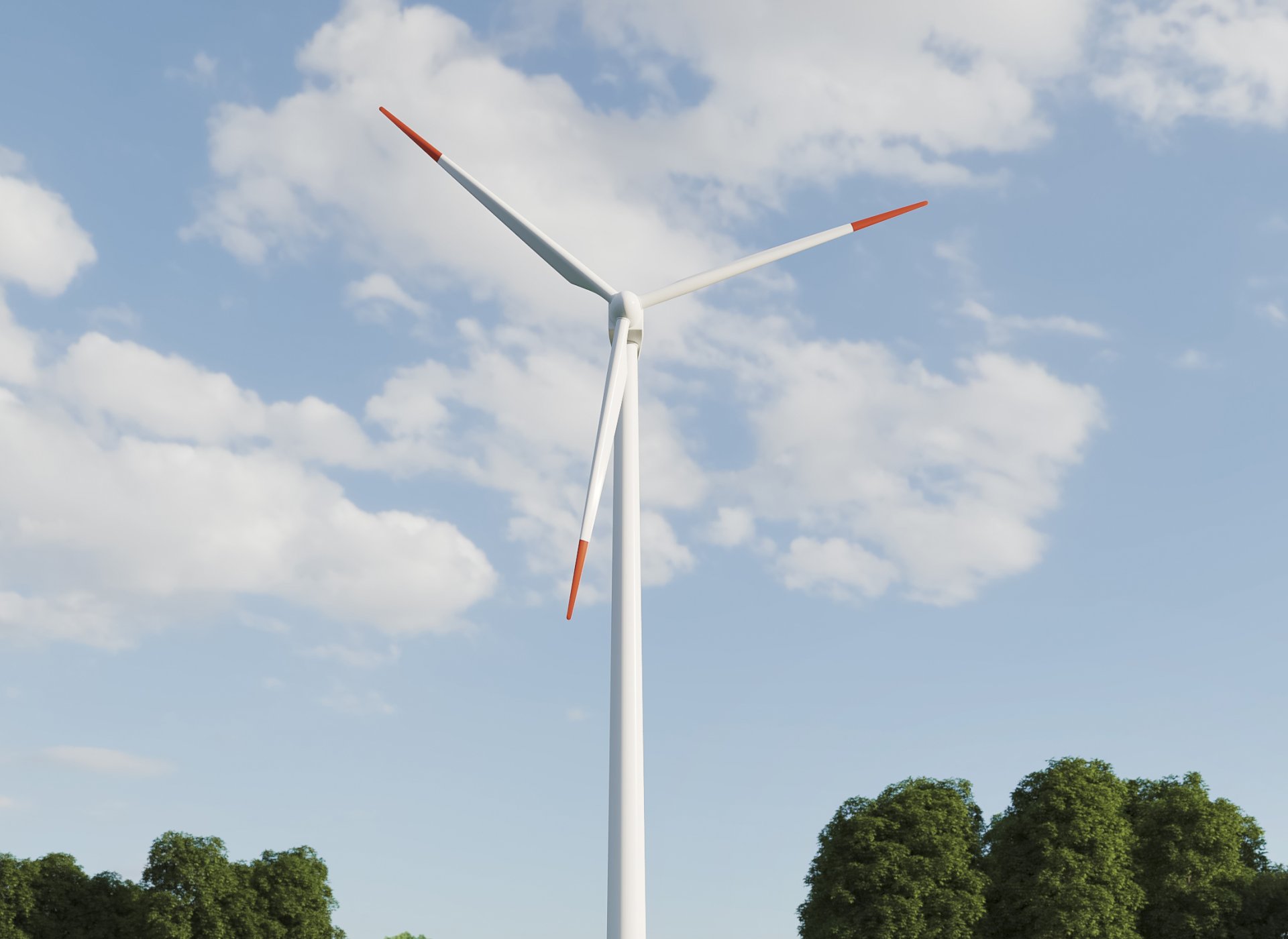
Fuel cell technology is sufficiently versatile and scalable to meet the energy requirements of almost any application imaginable. However, there are certain particularly sensitive applications in which fuel cells significantly outperform traditional alternatives. One of these “key” applications is the provision of backup power to remote facilities and, in particular, telecommunications repeater stations in developing regions, where fuel cell systems have grown rapidly over the past two years. Mobile phone adoption is soaring in these regions, and mobile connectivity is becoming crucial to economic activity: in India, for example, around 65,000 new repeater stations are currently being installed each year. However, these regions have underdeveloped electricity grids that are unable to guarantee acceptable levels of availability, creating growing demand for supplementary backup systems and self-sufficient energy solutions that are completely independent of the grid.
Industrialised countries such as the United Kingdom and the United States developed their telecommunications networks at a time when emissions were not a major concern, and most remote repeaters in these countries rely on expensive lead-acid batteries or diesel generators for backup power. The harmful effects of using diesel generators are obvious, and although lead-acid batteries produce no emissions during use, their manufacture and disposal raise significant environmental concerns. 19% of the repeater stations being installed in India are powered by or hybridised with renewable energy, indicating that today's rapidly developing countries are taking into account the environmental responsibilities associated with their economic progress.
In this context of minimising environmental impact, fuel cells are superior in two essential respects: they produce few or no emissions during use (depending on the fuel) and offer more versatile and reliable operation than lead-acid batteries or diesel generators. Combined with a lower life-cycle cost compared with lead-acid batteries (thanks to reduced maintenance and replacement requirements), fuel cells become a truly compelling option. For these reasons, fuel cell systems have also proved very popular for replacing existing systems, particularly in the United States, where the inadequacy of backup power systems was highlighted following the devastation caused by Hurricane Katrina. The reliability of fuel cell systems was demonstrated when several manufacturers reported that their uninterruptible power supply systems performed flawlessly during Hurricane Sandy.
Fuel cells used for telecommunications backup power are normally supplied with hydrogen, either through various types of transportable containers or by refilling fixed storage tanks using tanker lorries. Obviously, the latter method is impractical in remote and difficult-to-access locations. An alternative is the use of systems that process other fuels such as methanol or ethanol, which are liquids and easier to store. These are already offered by several specialist companies and are rapidly gaining popularity.
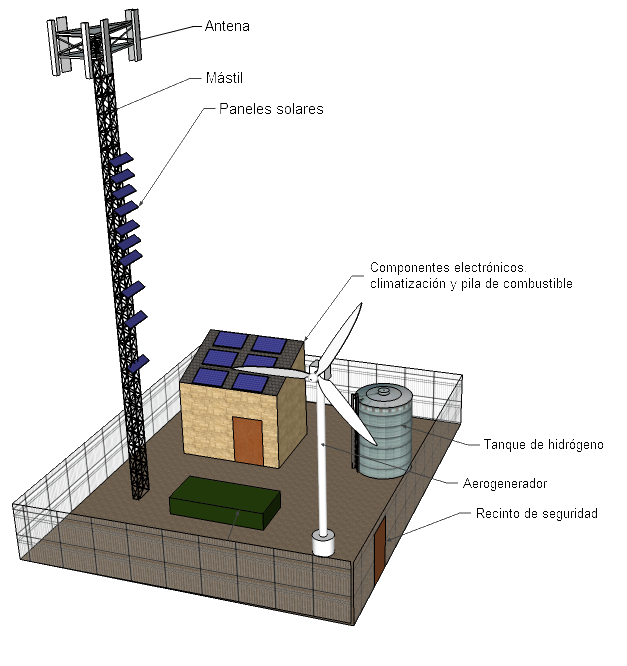 But what if a backup system did not depend on any external fuel supply to operate? This is another branch of solutions, based on the on-site generation of hydrogen, its storage and its subsequent use in a fuel cell. Conceptually, mini sex doll the approach is ideal for remote locations: electricity generated by solar panels or small wind turbines (supported by the grid, where available) is fed into an electrolyser to generate hydrogen, which gradually fills the fuel storage tank and enables the system to operate completely autonomously.
Article based on the original text “Why Fuel Cells for Telecoms Backup is a Good Call” published by Fuel Cell Today in June 2013.